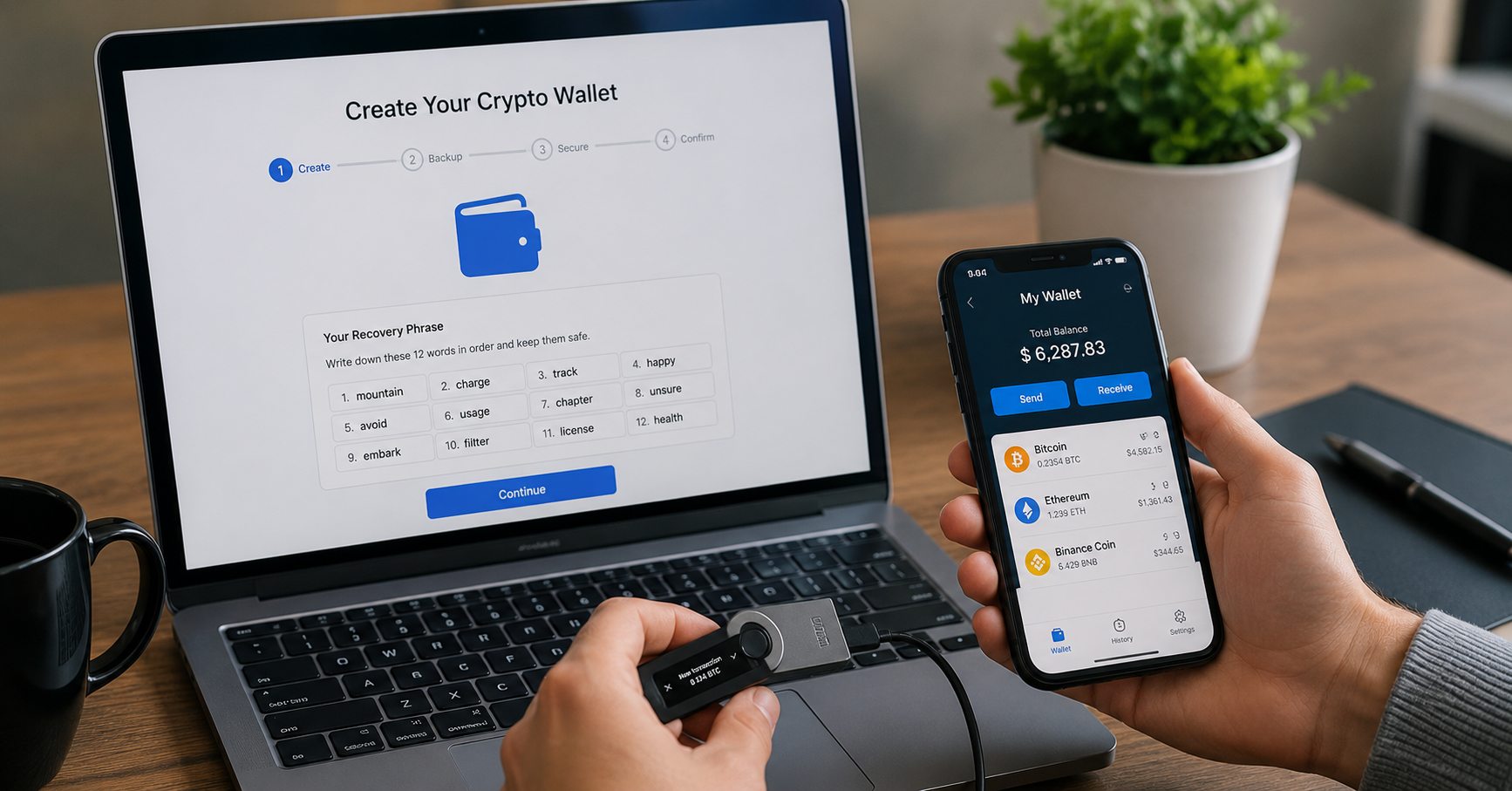
Cryptocurrency has transformed the way people think about money, investments, and digital ownership. As more individuals begin exploring digital assets, understanding how to store them securely becomes one of the most important first steps. A wallet is more than just a storage solution; it acts as a secure gateway for sending, receiving, and managing cryptocurrencies. This crypto wallet setup guide is designed to help complete beginners understand the process without unnecessary technical jargon.
Many first-time users assume that creating a cryptocurrency wallet is complicated. In reality, it becomes much easier when you understand the basic concepts and follow a structured approach. Whether you are planning to invest, trade, or simply hold digital assets, setting up a secure wallet provides the foundation for a safe cryptocurrency journey.
Crypto Wallet Setup Guide Made Simple
Starting with a cryptocurrency wallet requires patience and attention to detail. Security should always come before convenience because digital assets are entirely your responsibility once they are stored in your wallet. Following this crypto wallet setup guide allows beginners to build confidence while understanding the purpose behind every step.
Understanding What a Crypto Wallet Does
A cryptocurrency wallet does not actually store digital coins inside the application. Instead, it securely manages the private and public keys that allow access to blockchain assets. These keys confirm ownership and authorise transactions. Understanding this concept is essential because principles begin with knowing how wallets function rather than simply installing an application.
Choosing the Right Wallet Type
Different wallet types serve different purposes. Software wallets provide convenience for everyday transactions, while hardware wallets offer stronger security for long-term holdings. Web wallets and mobile wallets are also popular among beginners due to their accessibility. Selecting the right option depends on your personal goals, security preferences, and level of cryptocurrency activity.
Creating Your Wallet Securely
After choosing the appropriate wallet, the creation process usually involves downloading the official application, generating a new wallet, and creating secure login credentials. During this stage, users receive a recovery phrase that must be stored safely. Following this ensures that security remains the highest priority from the very beginning.
Crypto Wallet Setup Guide for Better Security
Once your wallet has been created, protecting it becomes equally important. Cryptocurrency transactions cannot usually be reversed, making security one of the most valuable aspects of digital asset ownership.
Protecting Your Recovery Phrase
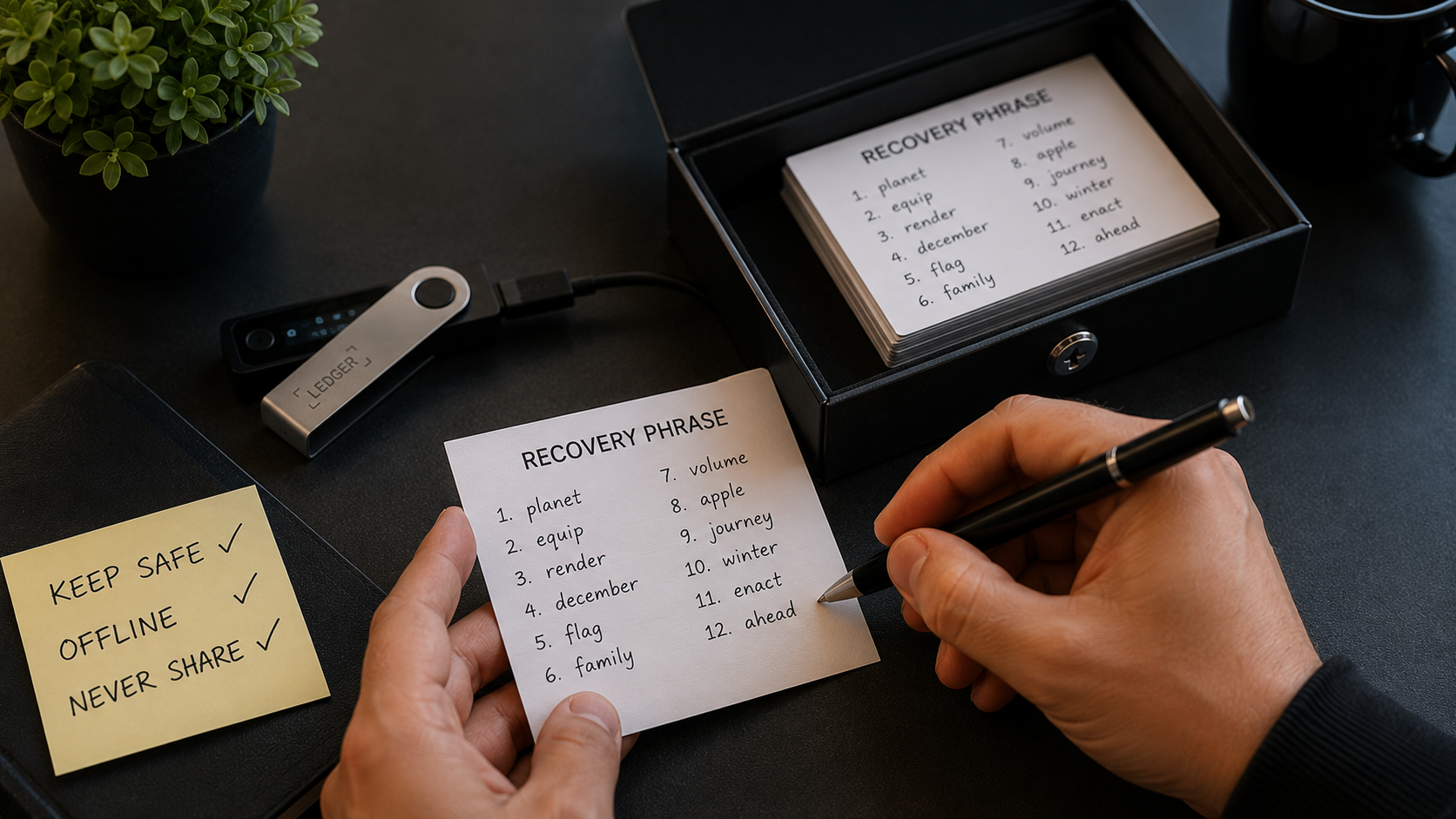
The recovery phrase is the most important part of your wallet. It allows you to restore access if your device is lost, damaged, or replaced. This phrase should never be shared online or stored in insecure locations. Every reliable emphasises protecting this information above everything else.
Creating Strong Authentication
Strong passwords and multi-factor authentication significantly improve wallet security. Using unique passwords that are not shared across different accounts reduces the risk of unauthorised access. These additional security measures provide valuable protection against cyber threats and account compromise.
Keeping Wallet Software Updated
Wallet developers regularly release updates to improve security and performance. Installing official updates helps protect users against newly discovered vulnerabilities. Maintaining updated software is a simple but essential recommendation found in every professional crypto wallet setup guide.
Learning How Transactions Work
Before transferring large amounts of cryptocurrency, beginners should understand how blockchain transactions function. Every transaction requires confirmation, and once confirmed, it usually cannot be reversed. Learning this process helps reduce mistakes and improves overall confidence when using a wallet.
Sending and Receiving Cryptocurrency
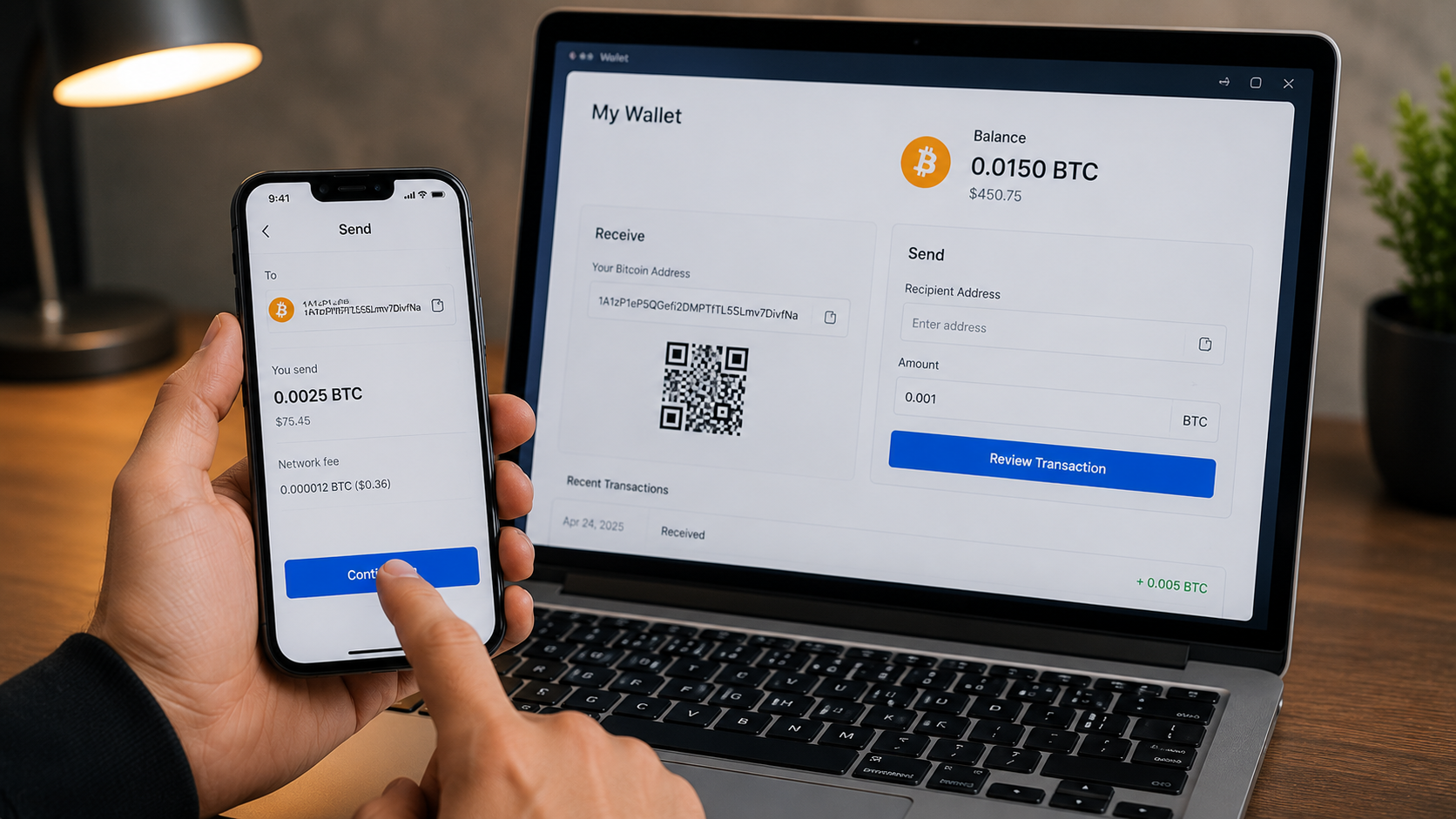
Receiving cryptocurrency involves sharing your public wallet address with the sender, while sending assets requires entering the recipient’s address accurately. Double-checking every character before confirming a transaction reduces the possibility of irreversible errors. Applying the lessons from this crypto wallet setup guide makes these processes much easier to understand.
Avoiding Common Beginner Mistakes
Many beginners lose access to their wallets because they forget passwords, misplace recovery phrases, or download unofficial applications. Taking extra time during the setup process prevents these avoidable problems. Careful preparation is one of the biggest advantages of following a trusted crypto wallet setup guide.
Understanding Wallet Backups
Regular backups help ensure that wallet information remains accessible if your primary device fails. Backups should always be stored securely and separately from your main device. This practice strengthens long-term protection and supports responsible cryptocurrency management.
Building Confidence with Small Transactions
New users should begin with small transfers before handling larger amounts. Testing the wallet using minor transactions allows beginners to become familiar with the interface while reducing financial risk. This practical experience supports the learning process recommended throughout this crypto wallet setup guide.
Preparing for Long-Term Crypto Management
Managing cryptocurrency is an ongoing responsibility rather than a one-time task. As technology evolves, users should continue learning about wallet security, blockchain developments, and emerging best practices. Individuals who consistently improve their knowledge through reliability are better prepared to protect their digital assets for years to come.
Final Thought
Entering the cryptocurrency world can seem intimidating at first, but it becomes much more approachable with the right knowledge and careful preparation. A properly configured wallet provides both security and confidence, allowing beginners to manage digital assets responsibly. By following this crypto wallet setup guide, understanding essential security practices, and developing good habits from the beginning, anyone can establish a solid foundation for a safer and more successful cryptocurrency experience.
Frequently Asked Questions (FAQ)
What is a crypto wallet used for?
A crypto wallet is used to store and manage the private and public keys that give you access to your digital assets. It also allows you to send, receive, and monitor cryptocurrency transactions securely.
Which type of wallet is best for beginners?
A software wallet is often the best choice for beginners because it is easy to install, user-friendly, and suitable for everyday transactions. Those planning to hold large amounts of cryptocurrency may later consider a hardware wallet for additional security.
Is it safe to keep cryptocurrency in a wallet?
Yes, it is safe when you use a trusted wallet, create a strong password, enable extra security features, and keep your recovery phrase in a secure offline location. Good security practices are essential for protecting your digital assets.
What happens if I lose my recovery phrase?
If you lose your recovery phrase and can no longer access your wallet, you may permanently lose access to your cryptocurrency. This is why it is important to store the recovery phrase safely and never share it with anyone.
Can I use one wallet for different cryptocurrencies?
Many modern wallets support multiple cryptocurrencies, allowing you to manage different digital assets from a single application. However, compatibility depends on the wallet you choose, so always check the supported cryptocurrencies before setting it up.
Do I need an internet connection to access my wallet?
Software and web wallets generally require an internet connection to send or receive cryptocurrency. Hardware wallets can store your private keys offline, providing greater protection while still requiring an internet connection when completing transactions.