The internet has become an essential part of daily life, offering opportunities for communication, education, entertainment, and business. However, as digital usage increases, so do online risks such as scams, data theft, and privacy breaches. Understanding is more important than ever in 2026, especially as more people rely on digital platforms for personal and professional activities.
Modern users are constantly connected through smartphones, laptops, and smart devices, which makes online safety a critical skill. Many individuals are now actively searching for internet safety tips for beginners to protect themselves from cyber threats and ensure a secure browsing experience. Learning these fundamentals helps users navigate the digital world with confidence and awareness.
Understanding Online Risks in the Modern Digital World with Internet Safety Tips for Beginners
The internet offers endless possibilities, but it also comes with hidden dangers. Cybercriminals use increasingly sophisticated methods to target unsuspecting users.
The importance of internet safety tips for beginners lies in helping individuals recognise risks before they become serious problems.
Common Cyber Threats
Online threats include phishing emails, malware, identity theft, and fraudulent websites that are designed to steal data, compromise accounts, or deceive users.
Growing Digital Dependence
As people spend more time online, their exposure to potential risks naturally increases, making awareness and digital safety practices more important than ever.
Creating Strong and Secure Passwords
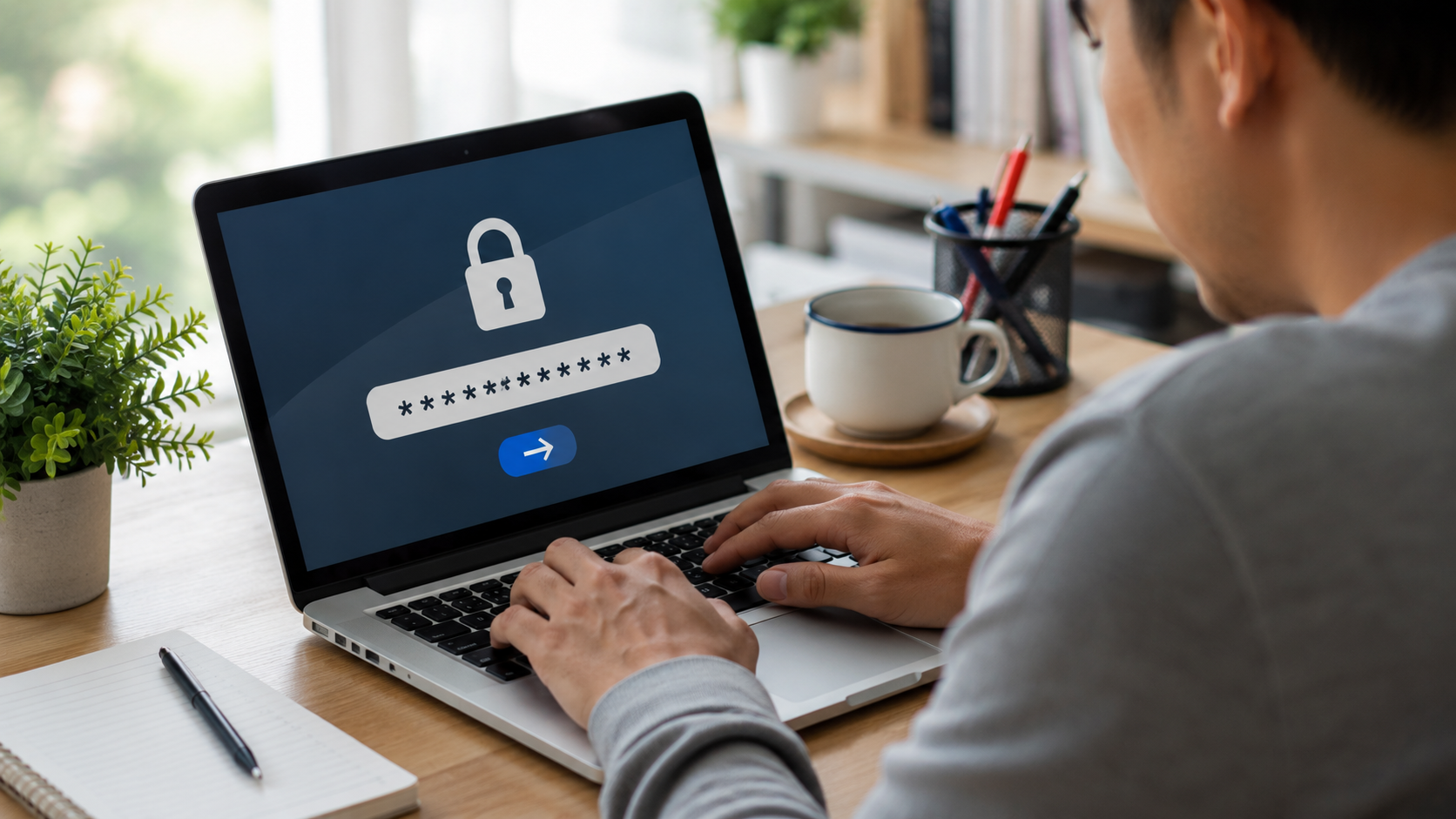
One of the most fundamental aspects of online safety is using strong and unique passwords. Weak passwords are one of the most common reasons for hacked accounts.
Many experts recommend internet safety tips for beginners that focus on password security as the first line of defence.
Importance of Password Complexity
Strong passwords include a mix of letters, numbers, and symbols, making them harder to guess or crack and improving overall account security.
Avoiding Repeated Passwords
Using the same password across multiple accounts increases security risks because a single breach can compromise all linked accounts.
Safe Browsing Habits
Safe browsing is essential for protecting personal information and avoiding malicious websites. Many users unknowingly click on harmful links.
Following internet safety tips for beginners can help individuals identify unsafe websites and avoid potential threats.
Checking Website Authenticity
Secure websites typically use HTTPS and have verified sources, helping ensure encrypted connections and safer data transmission for users.
Avoiding Suspicious Links
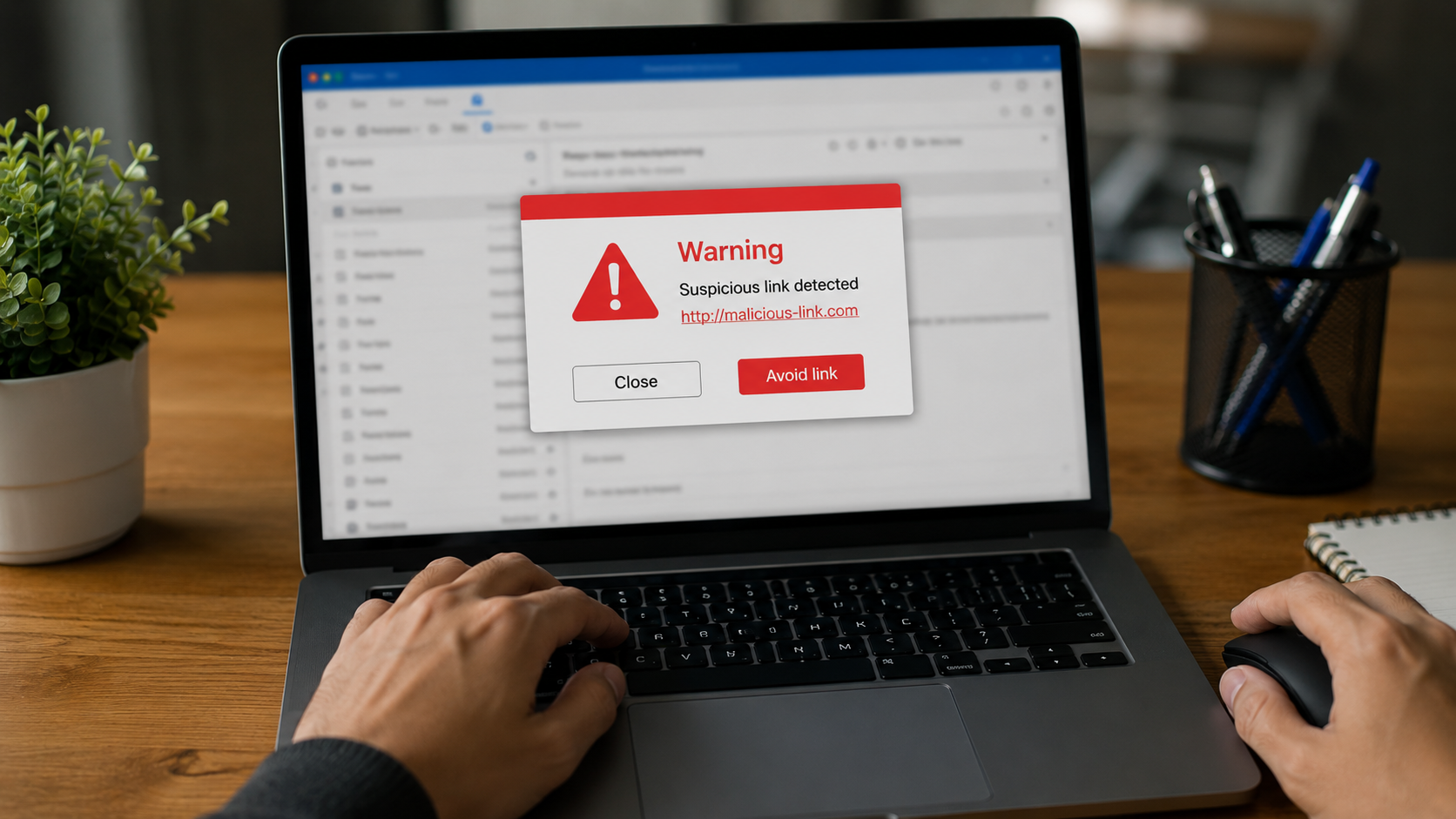
Unknown links in emails or messages should always be treated with caution because they may lead to phishing sites, malware, or other security threats.
Protecting Personal Information Online
Sharing too much personal information online can lead to identity theft and privacy issues. It is important to be mindful of what is posted on social media and websites.
A key part of learning how to control personal data exposure.
Limiting Social Media Sharing
Avoid posting sensitive details such as addresses or financial information because it can expose you to identity theft, fraud, and privacy risks.
Understanding Privacy Settings
Most platforms allow users to control who can view their content through privacy settings, helping them manage visibility and protect personal information.
Recognising Online Scams and Fraud
Online scams are becoming more sophisticated and harder to detect. Users must remain alert to avoid falling victim.
Many internet safety tips for beginners focus on identifying suspicious messages and fraudulent schemes.
Phishing Awareness
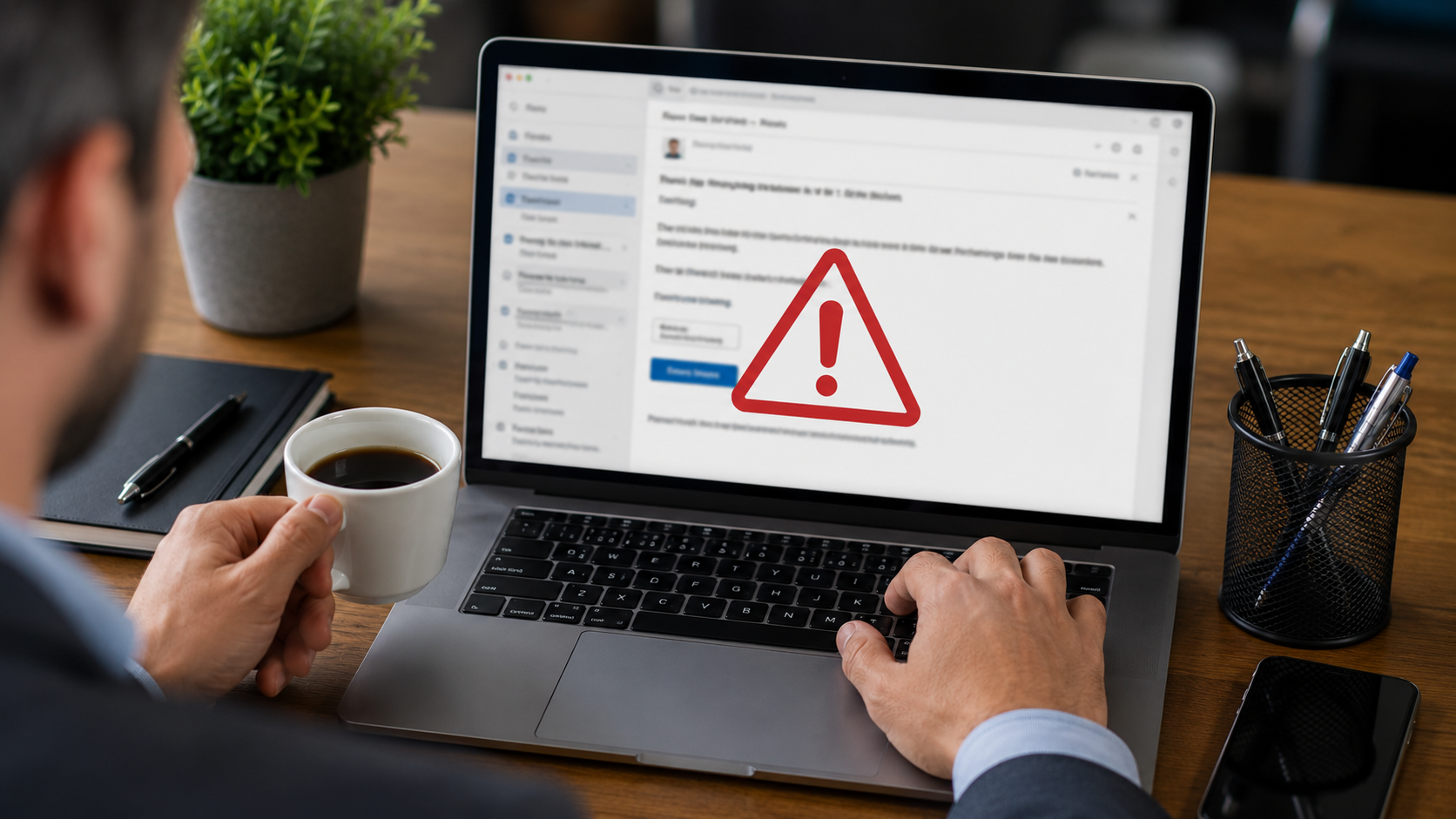
Phishing attempts often appear as legitimate emails asking for personal information, designed to trick users into revealing sensitive data or login credentials.
Too-Good-To-Be-True Offers
Unrealistic deals or rewards are often signs of scams designed to attract attention and trick users into sharing personal or financial information.
Safe Use of Public Wi-Fi
Public Wi-Fi networks are convenient but often insecure. Hackers can intercept data transmitted over these networks.
Understanding helps users take precautions when connecting to public internet sources.
Avoiding Sensitive Transactions
Banking or personal logins should not be used on public Wi-Fi because these networks are often less secure and can expose sensitive data to potential interception.
Using Secure Connections
Virtual private networks can help protect data on open networks by encrypting internet traffic, enhancing privacy, and reducing the risk of data interception.
Keeping Devices Updated
Software updates often include important security patches that protect against new threats. Ignoring updates can leave devices vulnerable.
Following internet safety tips for beginners ensures that devices remain protected through regular updates.
Importance of Security Updates
Updates fix vulnerabilities that hackers may exploit by patching security flaws, improving system stability, and strengthening overall protection against cyber threats.
Automatic Update Settings
Enabling automatic updates helps maintain consistent protection by ensuring security patches and improvements are installed regularly without delay.
Using Antivirus and Security Tools
Security software provides an additional layer of protection against viruses, malware, and cyber threats.
Many recommend installing trusted antivirus programs for safer browsing.
Real-Time Protection
Antivirus software can detect and block threats instantly by scanning files, monitoring system activity, and preventing malicious programs from causing harm.
Regular System Scans
Routine scans help identify hidden security risks by regularly checking systems for malware, vulnerabilities, and suspicious activity that may otherwise go unnoticed.
Social Media Safety Practices
Social media platforms are widely used but can expose users to privacy risks if not managed carefully.
Applying internet safety tips for beginners on social platforms helps maintain a secure online presence.
Managing Friend Requests
Only accept connections from trusted individuals to reduce the risk of scams, unauthorized access, and potential privacy breaches, helping maintain a safer and more secure online environment.
Controlling Visibility Settings
Adjusting privacy settings helps limit unwanted access by controlling who can view your information, interact with your content, and connect with your profile.
Email Safety Awareness
Email remains one of the most common ways cybercriminals attempt to gain access to personal data.
Understanding is essential for recognising harmful emails and avoiding scams.
Identifying Suspicious Emails
Unexpected attachments or urgent requests are warning signs of potential phishing or malware attempts, often designed to pressure users into unsafe actions.
Avoiding Unknown Downloads
Files from unknown sources should never be opened because they may contain malware, viruses, or other harmful content that can compromise your device and data.
Safe Online Shopping Practices
Online shopping has become increasingly popular, but it also carries certain risks if users are not careful.
Many internet safety tips for beginners focus on ensuring secure transactions and protecting financial information.
Using Trusted Websites
Always shop from reputable and verified platforms to ensure secure payments, genuine products, and protection against fraud or scams.
Secure Payment Methods
Use secure payment gateways to protect financial data by encrypting transactions, verifying user details, and reducing the risk of fraud or data theft.
Importance of Digital Awareness
Being aware of online risks is one of the most effective ways to stay safe. Knowledge helps users make better decisions when navigating the internet.
The role is to build confidence and awareness in everyday digital activities.
Staying Informed
Keeping up with new threats helps improve online safety by increasing awareness of evolving risks and enabling users to adopt timely protective measures.
Practising Caution
Careful behaviour reduces the risk of cyber incidents by encouraging safe online practices, improving awareness, and preventing accidental exposure to threats.
Building Long-Term Online Safety Habits
Internet safety is not a one-time effort but a continuous practice. Developing strong habits ensures long-term protection.
The value lies in creating consistent and responsible online behaviour.
Consistency in Safe Practices
Regular application of safety habits improves digital security.
Learning and Adapting
Staying updated with new safety techniques is essential.
Final Thoughts
The internet offers incredible opportunities, but it also requires responsibility and awareness. As cyber threats continue to evolve, users must remain cautious and informed.
Understanding helps individuals protect their data, privacy, and digital identity in an increasingly connected world.
Ultimately, internet safety tips for beginners are essential for building a secure and confident online experience in 2026 and beyond.
Frequently Asked Questions (FAQs)
Why is internet safety important for beginners?
Internet safety is important because it helps protect users from scams, hacking, identity theft, and other online threats, ensuring secure browsing, communication, and data protection.
What is the safest way to create a password?
The safest passwords are long, unique, and include a mix of letters, numbers, and special characters, making them much harder for attackers to guess or crack.
How can I avoid online scams?
Avoid clicking unknown links, never share personal details with strangers, and be cautious of unrealistic offers to reduce the risk of scams, phishing, and online fraud.
Is public Wi-Fi safe to use?
Public Wi-Fi can be risky, so it should be avoided for banking or sensitive logins unless a secure VPN is used to encrypt data and protect privacy.
Why should software updates be installed regularly?
Updates fix security vulnerabilities and protect devices from new cyber threats by patching weaknesses, improving system stability, and strengthening overall security.
How can I stay safe on social media?
Use strong privacy settings, avoid sharing personal information, and only connect with trusted people to enhance online safety and reduce the risk of scams or data misuse.